Dental prostheses
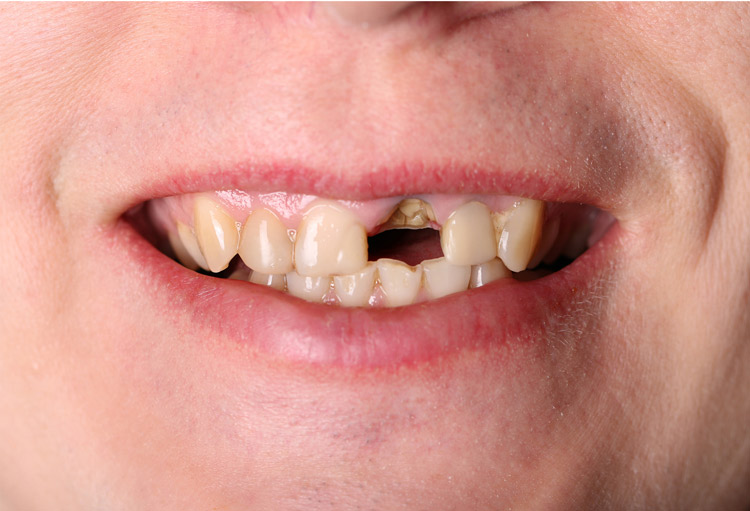
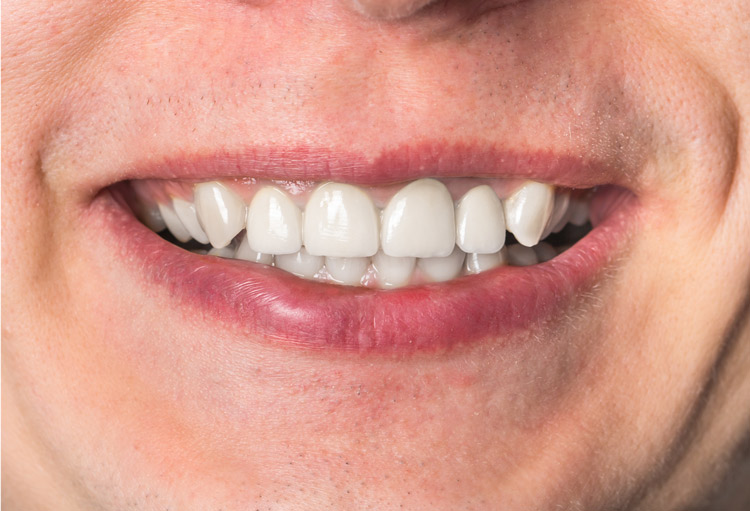
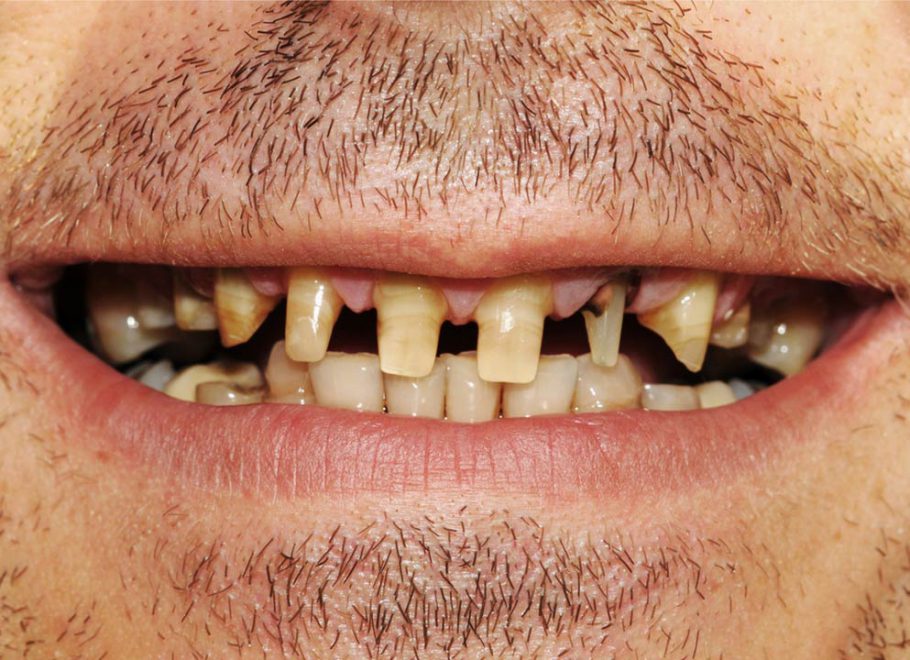
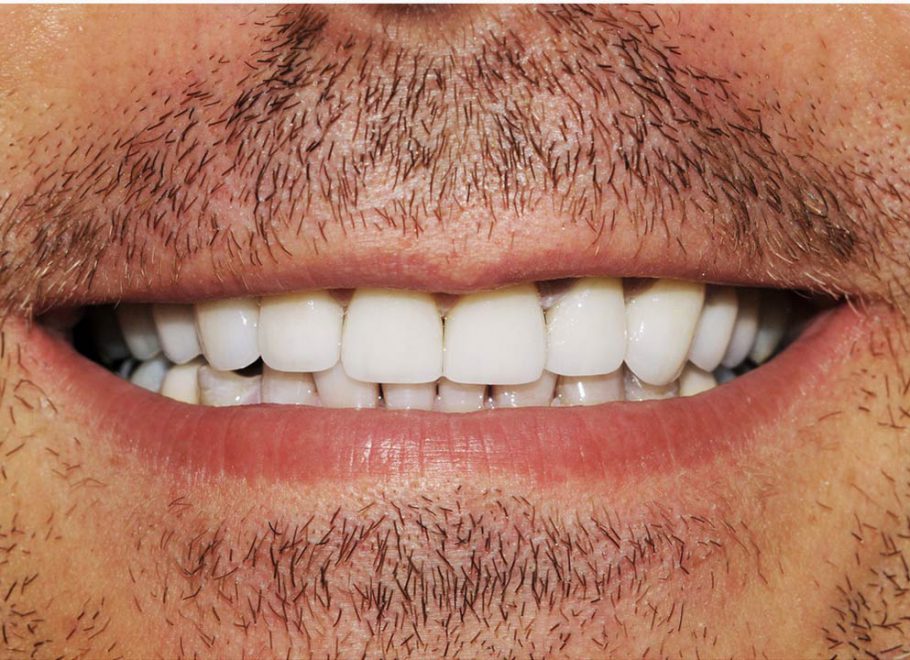
Dental prostheses « tooth » are a set of removable jaws that replace missing teeth. They are a more common dental prosthetic option for seniors who tend to lose a large majority of their teeth. Compared to dental implants, this is a financially advantageous option for those lacking large amounts of teeth.
Types of dental prostheses
There are two types of prostheses: complete and partial.
1- Full Prosthetics
Complete prostheses are an option to consider if all teeth are missing. This is done in two different ways. The first approach is the immediate prosthesis. This one is placed right away. This means that your doctor places the prosthesis right after removing the remaining teeth. Immediate prostheses are usually a temporary option until you get your custom conventional prostheses. After placement, you will find that it does not exactly match your mouth. Some changes must be made until your permanent prosthetics are ready.
On the other hand, you have conventional prostheses. In this approach, your dentist removes the remaining teeth and prepares the mouth in advance. The second step is to take prints from your mouth to make a personalized prosthesis for your mouth. So you will have to wait a little before you get your prosthesis.
2- partial prostheses
Partial prostheses are the option to consider in case you still have a good number of teeth. They are also suitable if you cannot afford to replace them with dental implants.
By fingerprinting your mouth, your dentist will send these measurements to an off-site laboratory. They will make dental prostheses with artificial teeth while keeping the space of your real teeth. This way, when you wear your partial prosthesis, it fits perfectly with your natural teeth.
Your dentist can make crowns for your real teeth if their aesthetic appearance is not ideal. But this is optional and depends on what you want.
What is the duration of dental prosthesis treatment?
The initial process is to address the underlying issues. From gum disease to caries and current infections. Once this is done, you go to the design stage of the prosthesis. This usually takes a week and involves many studies. It is important that your dentist perform this step impeccably for a comfortable prosthesis. This means making models and moulds of your jaws and studying how your jaws close.
Before sending your measurements to a manufacturing laboratory, all information must be accurate.
But after that, placement is easy. And hard work bears fruit when you get a set of fully comfortable prosthetics. Being particularly suitable for your mouth, they will have more grip and anchor.
The Benefits of Dental Prosthetics:
- natural appearance
- they restore dental functions such as chewing
- Avoid the appearance of embedded coatings by filling the mouth
- they are Personalized and have a decent firmness
- Hard about 5 years
Are dental prostheses normal?
Unlike dental implants, prostheses have no root, so the signal transition is not very good. Although they restore dental functions, much remains to be done.
This is a process that you can accomplish in a few weeks. To train your mouth to eat with dental prostheses, it is best to start with soft foods only. They are easier to chew and will give you enough exercise. Gradually add hard food until you return to normal eating.
But overall, there are restrictions with dental prostheses. For example, you cannot chew or eat hard foods. Eating food too hard or too hot is also not recommended.
What do you expect after a prosthesis?
Your doctor will ask you to continue wearing your dental prosthesis for 24 hours during the first week. It is important to learn about all aspects of your dental prosthesis that cause you discomfort. Although wearing dental prostheses all together for the first time may seem uncomfortable, you need to look for specific problems. For example, maybe your dental prosthesis is too loose or slammed when you talk. You must report all these problems to your dentist who will work to improve your prosthesis to better adapt.
How to take care of dental prostheses?
Dental prostheses have their own follow-up routine. But you will only start this routine after a week after placement. Only after this period will you be allowed to remove your prosthesis and preferably soak your prosthesis in a special solution. This is important because it allows your gums to breathe and for normal saliva cleaning.
Alternative to dental prostheses
Many prefer dental implants, but the procedure is both expensive and long. You will receive your implants about 6 months after the start of treatment. Hence why people use dental prostheses. But there is an option between the two; It is the dental implants 4 in 1. It is an alternative to dental prostheses that uses 4 dental implants per jaw and therefore gives you more anchor.
They also ensure better signal transmission and eliminate the process of adaptation after placement. Because they are anchored in the bone, their longevity is extended by at least three times the life of the prosthesis.
What are the adhesives for dental prostheses
Dental prosthese adhesives are products that come in the form of paste or powder to help give your prostheses a stronger anchor. Some find prosthetic adhesives to be very helpful. For example, they offer better bite control, add more security and increase stability.
They're not really necessary for everyone. This depends on several conditions. For example, have dry mouth. A dry mouth can loosen the prosthesis and cause problems to the wearer.
You can also consider dental prosthetic adhesives if you have work that requires excessive conversation or excessive use of facial muscles.
Get a free consultation
Reliable results